
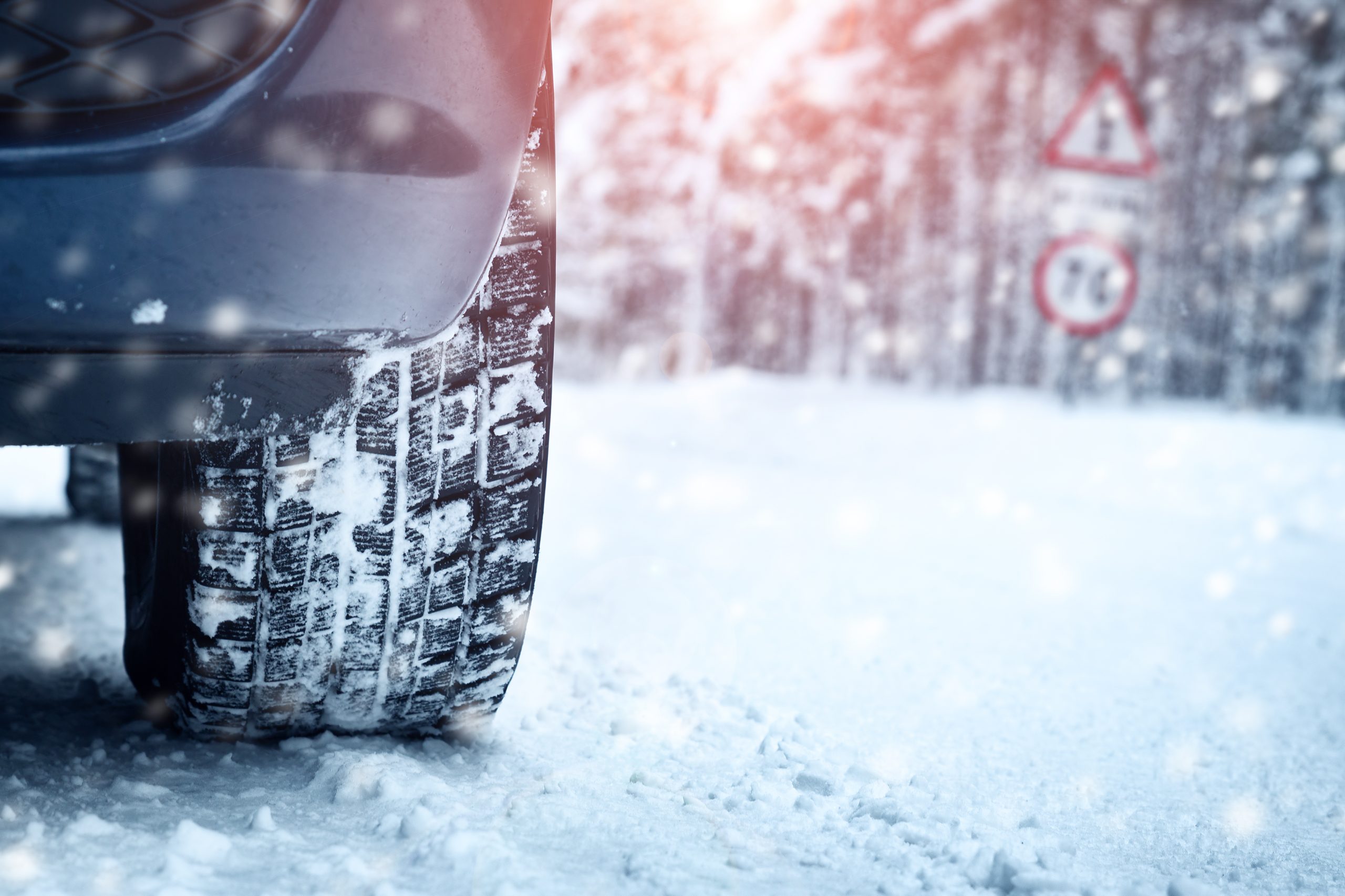
Winter tires only work if you look after them. Here is what actually matters.
Why Winter Tire Care Matters in Alberta
Alberta's unique winter conditions—with temperatures that can swing from +5°C to -30°C in a single day—put extraordinary stress on your winter tires. Proper maintenance:
- Extends tire life by preventing uneven wear
- Maintains optimal traction in variable conditions
- Prevents dangerous blowouts from underinflation
1. Proper Inflation: Your First Line of Defense
Tire pressure fluctuates dramatically with temperature changes—for every 10°C drop, tires lose about 1 PSI. In Calgary, where daily temperature swings of 15-20°C are common, this means:
- Check pressure at least every 2 weeks and after major temperature changes
- Always measure when tires are cold (not driven for 3+ hours)
- Use the manufacturer's recommended pressure, not the max on the tire sidewall
- Consider investing in quality valve stem caps to prevent moisture freezing
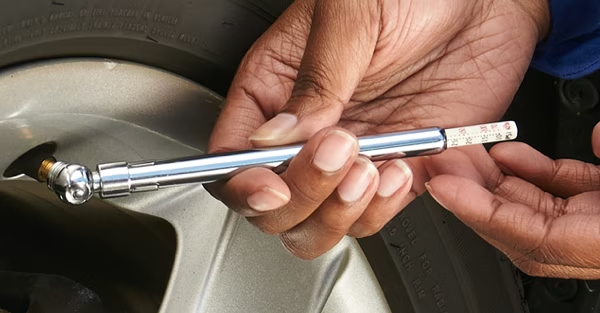
A technician checking tire pressure with a digital gauge in cold weather
2. Regular Rotation for Even Wear
Winter tires wear differently than all-season tires due to their softer rubber compounds and aggressive tread patterns. Follow these rotation guidelines:
- Frequency: Every 8,000 km or with every oil change
- Pattern: Front-to-back for non-directional tires (check sidewall arrows)
- Special cases: If you notice uneven wear, have alignment checked immediately
3. Tread Depth: Know Your Numbers
Alberta law requires minimum 3.5mm tread depth for winter tires, but safety experts recommend:
- 6-8mm for optimal snow performance
- 4-6mm for good wet/ice traction
- Replace at 3.5mm (sooner if you notice reduced traction)
Use the quarter test: Insert a Canadian quarter into the tread with the caribou's nose pointing down. If you can see the entire nose, your tread is too worn.
4. Cleaning and Protection
Calgary's road salt and chemicals can damage tire rubber over time. Protect your investment with:
- Weekly washes: Remove salt buildup with pH-balanced tire cleaner
- Rubber protectant: Apply every 4-6 weeks to prevent drying/cracking
- Wheel wells: Clean regularly to prevent ice buildup that can damage tires
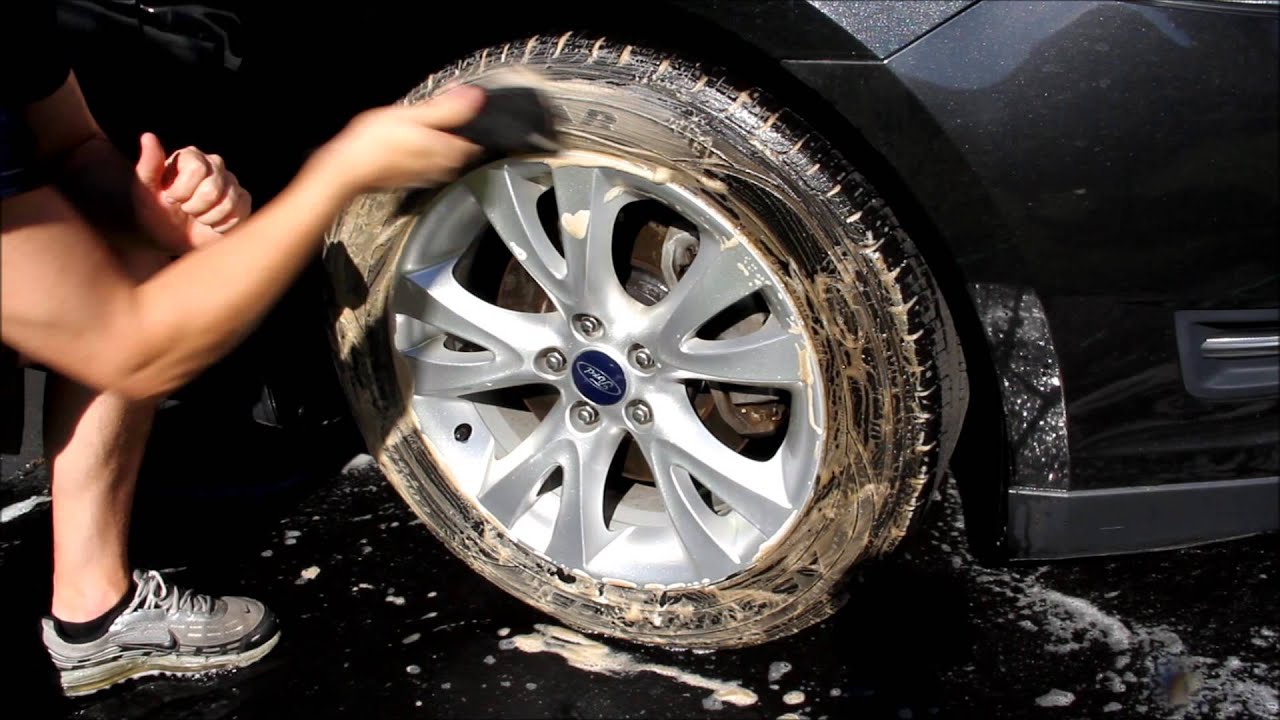
Proper cleaning removes corrosive road salts that can degrade tire rubber
5. Storage: Preparing for Off-Season
How you store tires in spring directly impacts their performance next winter:
- Clean thoroughly: Remove all dirt, brake dust, and road grime
- Dry completely: Prevent mold/mildew growth
- Store vertically: Stacking can cause flat spots
- Climate control: Avoid temperature extremes and direct sunlight
- Bag them: Use airtight tire bags to prevent ozone damage
Real-World Advice From Calgary Drivers
"After following MaziClean's winter tire care tips, my Blizzaks lasted four full Calgary winters instead of the usual two or three. The regular pressure checks and proper storage made all the difference."
- Sarah T., Calgary (2018 Subaru Outback)
When to Replace Winter Tires
Watch for these signs it's time for new winter tires:
- Tread depth at or below 3.5mm
- Cracks in sidewalls or between tread blocks
- Vibration at highway speeds (could indicate internal damage)
- Reduced traction you can feel, especially on ice
- Tires are 5+ years old (check DOT date code)